
We are all chasing the algorithms, mindlessly following trends, and praying for reach. Most content strategies focus on what to post, what music to use, and researching outdated hashtags. The bitter truth is, the algorithm doesn’t buy your products or services. Humans do. Therefore, we need to understand the psychology behind the scroll. Why do some posts make us stop, and why can’t we care about the others, no matter the topic?

What is scroll-stopping content?
You are in bed after a long day, you are watching reels, scrolling endlessly, and nothing is enticing you. Suddenly, you come across a post that grabs your attention. Sometimes you’re stopping the scroll because you’re passionate about the topic; other times, you’re stopping simply because the hook was so disruptive you couldn’t help but wonder, ‘Wait, what is this? But you stop, watch it, maybe rewatch it. It isn’t just “good” content; it’s content that wins the battle for the first 1.5 seconds of a user’s focus. If you don’t stop the thumb, you don’t get the read. If you don’t get the read, you don’t get the sale.
Is it luck? Can be. Can you also have that with luck? Maybe.
Can you achieve that through strategy? Yes.

Anatomy of a Scroll-Stop
If you study the high-performing posts, you will realise that most of them have these traits:
-
-
Visual Tension: Also known as the visual hook. It hijacks your attention. This technique creates curiosity and contrast. We continuously predict patterns, and this breaks that movement; our attention stays active. A hook grabs attention. Tension keeps retention.
-
Fast-Brain Friendly: In this day and age, our attention span is that of a goldfish. We want relief and answers to our problems. If the content has a cluttered design or a confusing message, the brain will skip it to save energy. Scroll-stopping content is instantly digestible.
-
The Relatability: If your content is meant for everyone, it may not benefit anyone. We stop for things that look like us or our problems. Therefore, niche content works more than generalised content. Be specific about who your audience is and what their pain point is.
-
Psychology of the scroll stop
Why do we stop for some posts and flick past others with the speed of a professional card dealer? It is a blend of psychology and strategy.
Pattern Interrupts: Our brains are experts at filtering out the mundane. If your post looks like every other general, monotonous content, it’s invisible. You need a visual or verbal “jolt” that breaks the expected pattern of the feed. The content that demands your engagement.
Familiarity Bias: We trust what we recognise. This is why consistent personal branding works. If a user has seen your face or unique design style five times, they are statistically more likely to stop on the sixth.
Curiosity Gaps: The human brain hates open endings. When you hint at a result without immediately giving away the secret, the brain feels a physical itch to close that loop. That “itch” is what drives the click.
What actually works?
So what actually works? What should we follow and how? Is there any place for newcomers in this sea of creators?
The answer is Yes. Content is not going anywhere. It is here to stay and evolve. The more, the better. But the strategy has changed. What worked in 2016 will not work in 2026. With proper planning, anyone can build a successful brand. Here are some principles with examples that are necessary for this period of content creation.
Rule 1: Social Proof = Trust: Social Proof and Testimonials are your safety net. With these, your audience won’t have to investigate whether you are worth their time or money. For Example,

 Post B wins every time.
 Rule 2: Make it about them, not you: When someone taps “share,” they’re really saying- This is who I am. This is what I stand for. This is my tribe. Your job is to be a mirror. Reflect their struggles, their inside jokes, their unspoken wins. The moment they think, “Wait, this person gets me,” they’ll do your marketing for free. For Example,
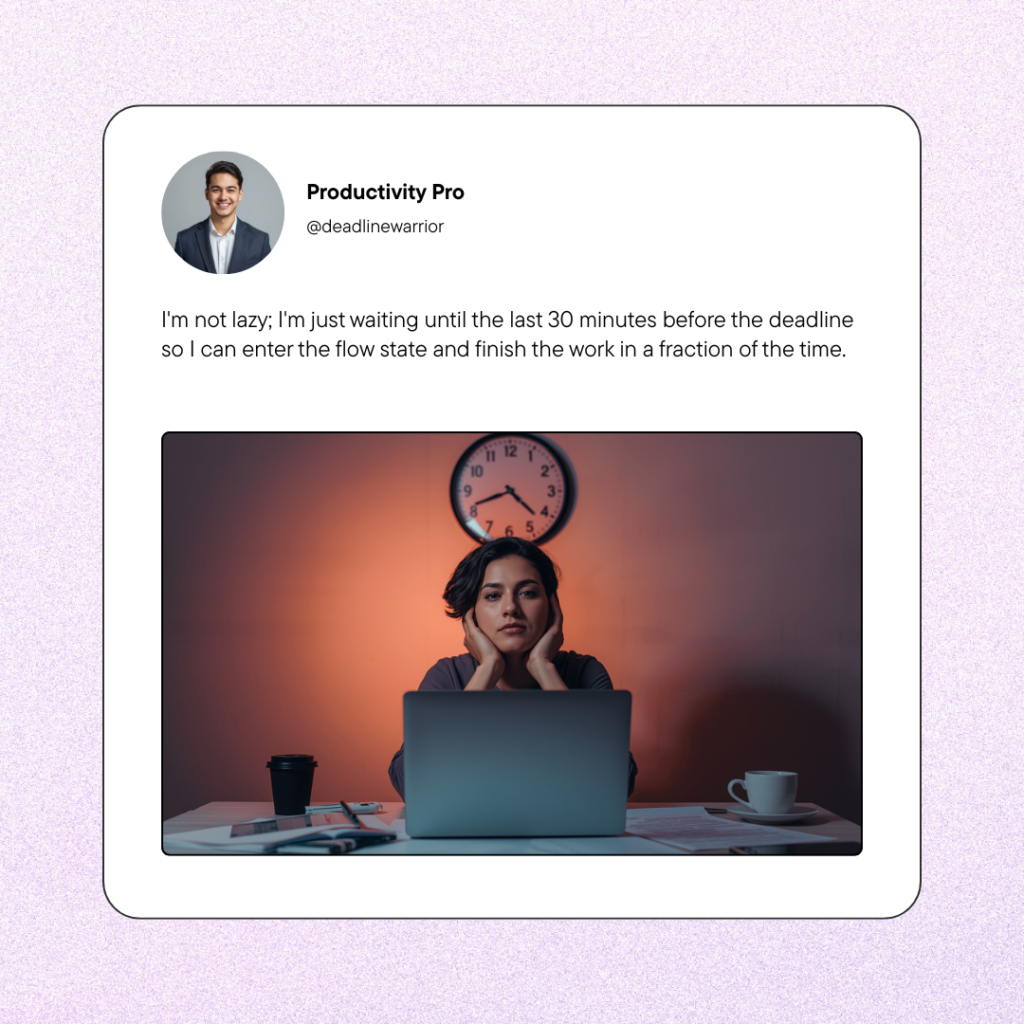
Why does this work?
It validates the user’s struggle as a “personality trait” rather than a failure.
Rule 3: Pain Before Value, Always: Value-first content often falls on deaf ears because the audience doesn’t realise they need the solution yet. You have to make people recognise their pain and then provide a solution. For example,
The second is way more effective. It makes them feel the problem in their gut. Then, offering the solution. You’ve just turned a “maybe later” into a “fix this now.”
Rule 4: Give First. Then Ask: The key to the Reciprocity Loop is providing high-value assets for free. This builds such significant trust that your “Ask” (the CTA) feels like a natural continuation of the help, not a transaction. For Example,

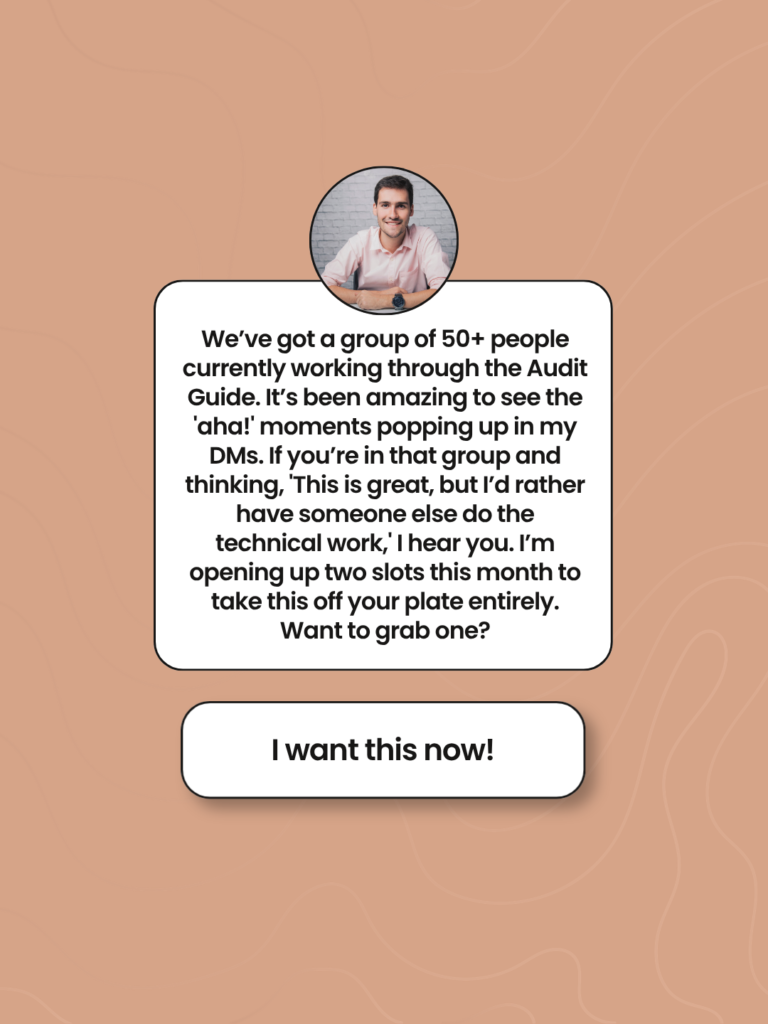
Because you’ve already provided tangible value, your audience isn’t watching your pitch as an annoying ad; they are viewing it as a logical next step to solve the problem you already helped them identify.
The formula: Give, give, give, give, ask. Give away your best stuff- your real secrets, your frameworks, your templates for free. No paywalls. No “like to unlock.” Just pure value. That’s strategy.
Conclusion

Here’s the truth most creators never learn: Psychology doesn’t care about your platform. It doesn’t care if you post images, videos, or parking lot receipts. Social media isn’t a billboard where you broadcast and hope; it’s a living, breathing laboratory of human behaviour. When you stop chasing the “next big algorithm hack” and start aligning your content with how the human brain actually functions, you stop fighting against the platform and start working with your audience.
-
- No shares? You’re not reflecting their identity.
-
- No stops? You’re leading with value, not pain.
-
- No sales? You’re asking before you’ve given enough.
The fix isn’t more posting. It’s more psychology.
Don’t let these principles remain just a theory. I’m currently helping brands transform their social presence from “scrolled-past” to “must-read.”
If you’re ready to stop guessing and start converting,
[Book a Free 15-Minute Content Audit] – I will diagnose your last 5 posts and give you 3 psychological fixes.